

The Role of AI in Digital Marketing: What You Need to Know
Mar 14, 2026
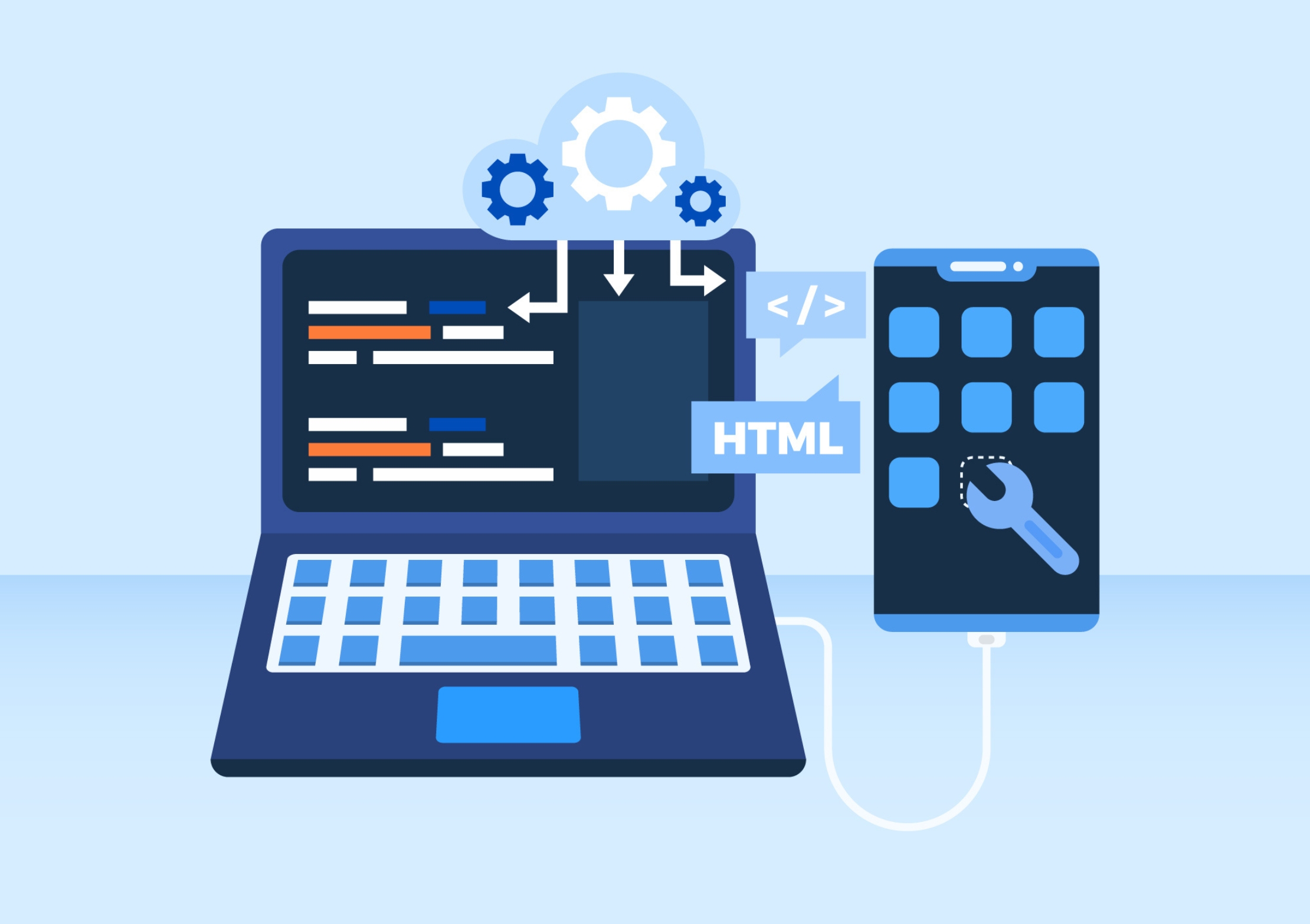
At Cabptoid, starting your journey in web and mobile app development can feel overwhelming, but with the right roadmap, it
becomes manageable. The key is to build a strong foundation in programming basics, understand how the internet works, and
gradually move toward creating real-world projects. Consistency and hands-on practice matter more than trying to learn
everything at once.
As a beginner, focus on mastering core concepts before jumping into advanced tools and frameworks. Whether you choose web
development, mobile app development, or both, the roadmap remains similar: learn, build, test, and improve. Many app
development companies and IT companies in Hyderabad emphasize this structured approach to train new app developers.
1. Understand the Basics of Programming
Before diving into development, learn programming fundamentals like variables, data types, loops, conditionals, and
functions. Languages like JavaScript or Python are beginner-friendly. This foundation is essential for anyone aiming to
join a mobile software development company or application development firm.
2. Learn How the Web Works
It’s important to understand how the internet and websites function behind the scenes. Learn about
browsers, servers, and how data travels using HTTP/HTTPS. Understand what happens when you type a
URL in a browser. This knowledge helps you debug issues and build better applications,whether for website development or
mobile application development.
3. Master HTML, CSS, and JavaScript
These are the backbone of web design and development. Many web dev companies and app dev companies expect beginners to be
proficient in these before moving to frameworks..
4. Choose Your Path: Web or Mobile
Web development involves building websites and web apps, while mobile app development focuses on apps for Android and iOS. If
you enjoy visual interfaces, frontend may suit you. If you prefer logic and data handling, backend or mobile could be better.
Top software companies in Hyderabad train developers in both paths.
5. Learn a Framework or Library
Once you’ve mastered the basics, progress to frameworks. For web app development, React or Angular are popular. For mobile
app development, consider Flutter or React Native. These tools help app development firms build applications faster and more
efficiently.
6. Practice with Real Projects
Work on real-world projects like to-do lists, calculators, blogs, or e-commerce sites. Projects help you apply theory in
practice and prepare you for roles in a mobile app development company or software development company in Hyderabad.
7. Understand Version Control (Git)
Git is crucial for tracking and managing code changes. Platforms like GitHub allow collaboration and showcasing projects, a
skill valued by every application development firm and IT company in Hyderabad.
8. Learn Backend Basics
Create reports to analyze data (e.g., sales performance) and You can create detailed reports to analyze data such as sales
performance, and use dashboards with visual elements like charts and graphs to gain quick, data-driven insights for better
decision-making.This is vital for mobile application development and enterprise-level app development companies.
9. Focus on UI/UX Design
Good design is key to app success. Learn UI/UX basics to create clean, intuitive designs. Website design companies and
mobile software development companies prioritize user experience in every project.
10. Build and Deploy Your Projects
Finally, learn deployment using platforms like Netlify, Vercel, or Firebase. Hosting makes your project accessible online.
Deployment experience is essential for joining a development website company or a mobile app development company.



Post a Comments
Your email address will not be published. Required fields are marked *