

Top 10 Essential Skills for Modern UI/UX Design
Mar 02, 2026
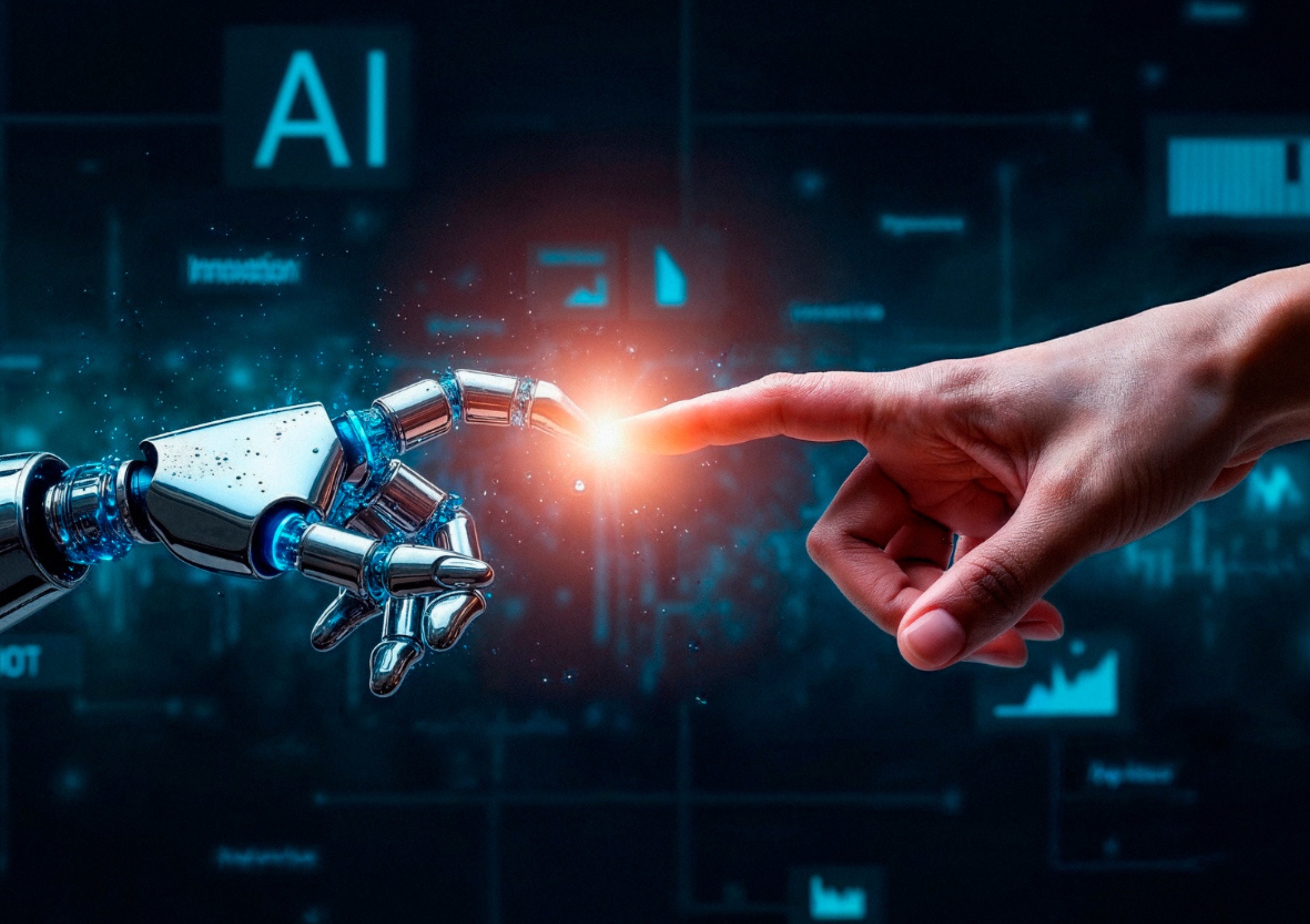
Artificial intelligence (AI) and machine learning (ML) are transforming the way chatbots operate, turning them into intelligent digital assistants. Today, leading AI companies and software development companies in Hyderabad are investing heavily in artificial intelligence development services to build chatbots that can understand and respond to human language in ways that feel natural.
These advancements are helping businesses improve customer service, reduce costs, and deliver personalised experiences. With AI technology combined with voice recognition and multilingual support, chatbots are becoming more accessible worldwide. As IT companies in Hyderabad and other global hubs continue to innovate, chatbots are becoming an essential part of digital transformation strategies.
1. AI helps chatbots understand human language
Through Natural Language Processing (NLP), chatbots interpret user messages more accurately. This is powered by artificial intelligence technologies and enhanced by deep learning models that capture context and nuance.
2. Machine learning enables chatbots
Machine learning enables chatbots to learn from past interactions. As they process more data, they become smarter, more accurate, and better at handling complex queries. Many artificial intelligence companies are combining ML with deep learning to create adaptive chatbots that evolve continuously.
3. Offer Flexible Work Options
Beyond customer service, chatbots also support workforce management. By integrating with HR systems, they help IT companies in Hyderabad offer remote, hybrid, or flexible work schedules—boosting job satisfaction and attracting diverse talent.
4. Chatbots Offer Personalized Experiences
By analyzing user data, preferences, and behavior, chatbots deliver tailored responses. This personalization is driven by AI applications and deep learning algorithms, ensuring higher engagement across industries.
5. AI-Powered Chatbots Handle Complex Conversations
Unlike scripted bots, AI-powered chatbots understand context and intent. With artificial AI solutions and deep learning neural networks, they provide meaningful answers and intelligent communication.
6. Chatbots Provide 24/7 Customer Support
Chatbots offer round-the-clock support, helping businesses manage high volumes of interactions. Many top software companies in Hyderabad are deploying these solutions to enhance service efficiency.
7. Voice-Enabled Chatbots Make Interactions More Natural
Voice-enabled chatbots use speech recognition to make communication seamless. This innovation, driven by AI development and deep learning speech models, is especially useful for users who prefer speaking over typing.
8. Multilingual Chatbots Break Language Barriers
By supporting multiple languages, chatbots help businesses reach global audiences. Artificial intelligence development services ensure consistent support across regions and cultures.
9. Predictive Analytics Helps Chatbots Anticipate Needs
With predictive analytics, chatbots can anticipate user needs based on past behavior. This proactive approach is a key differentiator for artificial intelligence companies building next-gen solutions with machine learning and deep learning.
10. AI Makes Chatbots More Human-Like
As artificial intelligence technologies advance, chatbots are becoming more human-like—capable of understanding emotions, handling complex conversations, and delivering interactive responses. This evolution is being spearheaded by innovative software companies in Hyderabad and global AI companies.



Post a Comments
Your email address will not be published. Required fields are marked *