
The Future of E-Learning with Modern LMS Platforms
Mar 20, 2026
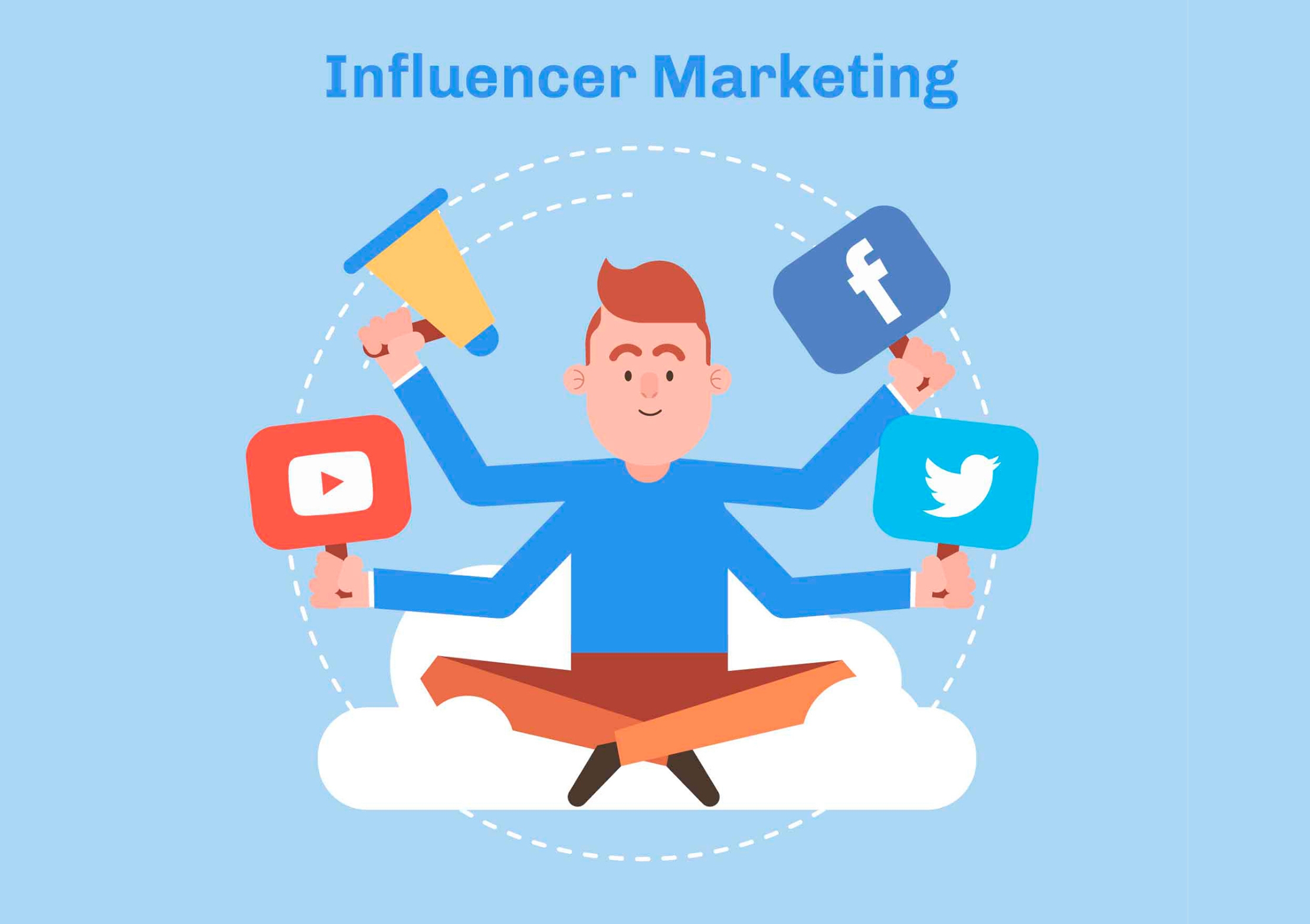
Influencer marketing and traditional advertising are two powerful strategies brands use to reach their audience,
but they work in very different ways. Influencer marketing focuses on collaborating with individuals who have built
trust and a loyal following on platforms like social media, making promotions feel more personal and relatable.
On the other hand, traditional advertising such as TV, radio, newspapers and billboards.
While traditional advertising offers wide reach and brand authority, influencer marketing excels in engagement
and authenticity. Choosing between the two depends on your business goals, budget, and target audience.
Many modern businesses are now blending both approaches to maximize impact and achieve better results.
1. Audience Reach
Traditional advertising is designed to reach a very large and diverse audience across multiple channels
like television, print media, and outdoor billboards.However, it often lacks precise targeting, meaning the message
may not reach the most relevant people.Influencer marketing, on the other hand, focuses on niche audiences
who follow specific creators.
2. Trust and Credibility
Consumers today are more skeptical of direct advertisements, especially when they feel overly promotional or scripted.
Influencers build strong relationships with their followers over time by sharing authentic and relatable content.
This creates a sense of trust, making their recommendations feel more genuine and believable.
3. Cost Efficiency
Traditional advertising methods like TV commercials or full-page newspaper ads can be very expensive, especially for small businesses.
Influencer marketing offers flexible pricing options, allowing brands to collaborate with micro or nano influencers at lower costs.
This makes it more accessible for startups and growing businesses.
4. Engagement Levels
One of the biggest advantages of influencer marketing is its ability to drive high engagement.
Followers actively like, comment, share, and interact with influencer content, creating a two-way communication channel.
Traditional advertising, however, is mostly one-sided, where consumers simply view the ad without direct interaction.
5. Content Style
Traditional advertisements are usually highly polished, scripted, and professionally produced to maintain brand consistency. While this ensures quality, it can sometimes feel less relatable to modern audiences. Influencer content, in contrast, is often more casual, creative, and aligned with everyday life.
6. Targeting Precision
Traditional advertising relies on general audience segmentation, such as age groups or geographic locations. While this can be effective, it may not always reach the most interested consumers. Influencer marketing allows brands to target very specific niches based on the influencer’s audience.
For example, brands can collaborate with fitness influencers, tech reviewers
7. Measurability
Measuring the success of traditional advertising campaigns can be challenging, as it often relies on estimates and indirect metrics.
Brands may use surveys or general sales data to evaluate performance, which is not always accurate. Influencer marketing, however,
provides clear and real-time analytics such as likes, shares, comments, clicks, and conversions.
8. Brand Awareness vs Conversion
Traditional advertising is highly effective for building brand awareness on a large scale. It helps establish credibility and keeps the brand visible to a wide audience.
However, it may not always lead directly to immediate sales or conversions.Influencer marketing, on the other hand, often drives stronger purchasing decisions because of the trust factor.
9. Flexibility and Speed
Traditional advertising campaigns require significant planning, production time, and coordination with media channels. This makes the process slower and less adaptable to quick changes.
Influencer marketing is much more flexible, allowing brands to launch campaigns quickly and adjust strategies in real time.
10. Longevity of Impact
Traditional advertising often leaves a lasting impression due to repeated exposure across various platforms. People may remember a catchy TV commercial or billboard for a long time. However, influencer content tends to have a shorter lifespan, especially on fast-paced social media platforms.

Mar 20, 2026

Mar 16, 2026


Post a Comments
Your email address will not be published. Required fields are marked *